Bird jobs usually announce themselves twice. First the smell, which arrives with the heating and disappears when it stops. Then, a few days later, the bites nobody can explain. Both have the same cause, and we deal with them together across Roxburgh Park.
A bird is small, so people assume it is a small job. It is not, and the reason is mites. Bird mites live on the host in enormous numbers, and the moment the body cools they leave and move outward through the cavity looking for something warm. That means through the ceiling, down the wall and into the room where your family is. Bites on arms, ankles and around the neck starting three or four days after the noises stopped is one of the most reliable signals in this entire trade.
The second thing that makes bird recovery different is where they end up. Birds do not die in open roof spaces where you can walk to them. They fall down disused chimneys and wedge on a damper plate or a bend. They enter ducted heating through roof cowls and die in a duct run or at a return air point, which is why the smell arrives with the system and leaves with it. They nest in the cavity between solar panels and roof sheeting, a space that is close to impossible to inspect from the ground. All three need cameras and proper access rather than a torch and optimism.
The third thing is the nest. Months of accumulated droppings and nesting material sit alongside the carcass, and dried droppings carry organisms including salmonella and the fungal spores behind histoplasmosis, which become airborne the moment somebody starts sweeping. So we remove the bird, the nest and the contaminated material, treat the surfaces and the ductwork, and handle the mites as part of the same visit rather than leaving you to discover them afterwards.
Tell us where the smell is worst and we will call back with a time and a quote.
Bird problems look different to every other carcass job, because the mites usually give it away before the smell does. These are the signs worth acting on.
Bird odour is different to mammal odour. It is sharper and more acrid, because droppings and nesting material are decomposing alongside the carcass, and it is often strongest when the heating or an exhaust fan runs.
If the odour appears the moment ducted heating, air conditioning or a rangehood switches on and fades when it stops, the bird is in or beside a duct run rather than in the room.
Bird mites leave a cooling carcass in their thousands looking for a new host. Bites appearing on people days after a bird has died in a roof or wall cavity is one of the most reliable signals there is.
Birds fall down disused flues and cannot climb out. Scratching or fluttering that goes quiet after a day or two, then a smell in the lounge room, is almost always a bird in the flue.
The cavity under solar panels and behind eave sheeting is a favourite nesting spot. Smell and mess concentrated at roof level, with birds no longer coming and going, usually means one has died up there.
Twigs, feathers and droppings accumulating at a vent, gutter, exhaust outlet or window ledge mean an active nest. Where there is a nest, there are eventually chicks or adults that do not make it.
Getting the bird out is the easy half. Clearing the nest, treating the mites and cleaning the ductwork is what stops you ringing someone else in a fortnight.
Bird jobs escalate quickly once mites are involved. We answer the phone in Roxburgh Park around the clock and dispatch a technician rather than booking you in for next week.
Removing the bird and leaving the mites is the classic half job. Bird mite treatment of the cavity and surrounding rooms is part of every recovery we quote, not an add on.
Ducted heating runs, rangehood and bathroom exhausts, and disused chimneys are where birds end up. We have the camera leads and access gear for all three.
The gap under panels is a prime nesting site and almost impossible to inspect from the ground. We can get up there safely and clear it properly, including the nesting material.
Many Australian birds are protected. We handle and dispose of native species under the requirements that apply in Victoria rather than as general waste.
You hear the figure before anything is opened up, and the mite treatment and deodorising are inside it. The number only moves if the scope changes and you approve it.
Three stages, in this order, every time. Nothing gets opened before you have seen the price, and nothing gets closed up before the cavity and the mites have been treated.
When the smell tracks with the heating, we camera the duct runs and the return air points. When it is anchored to a fireplace, we put a lead up the flue from the hearth. When it is at roof level, we get up and look under the panels and behind the eave sheeting. Our homeowner's guide to a dead animal in your roof covers what else ends up in that space.
Each of those is a different access problem and none of them can be solved by guessing. Once we can see the bird and the nest, you get a fixed price covering the recovery, the mite treatment and the clean, and only then does anything get opened.
The bird comes out in sealed containment, with native species handled and disposed of under the wildlife requirements that apply in Victoria. The nest and accumulated droppings come out with it, because leaving them behind leaves the odour and the mites. Leaving either behind is why the dead animal smell comes back after DIY removal.
Then the cavity or the ductwork is treated. Antimicrobials go onto every contaminated surface, the affected duct sections are cleaned so the system stops redistributing the smell, and a bird mite treatment runs through the cavity and into the adjoining rooms where mites have already migrated. Our technicians work in P2 respirators throughout, because dried droppings go airborne the moment they are disturbed. If you are not sure a bird is what you have, our guide to identifying what died in your property covers the signs that separate it from a rodent.
Birds are creatures of habit about nesting sites, so an open chimney pot or an unscreened exhaust outlet will produce the same problem next season. Two fixes solve the majority of repeat callouts: capping the chimney, and screening the roof cowls and vents. Where a nest has been sitting on plaster, brown ceiling stains and what they mean explains what the marking tells you.
We photograph every entry point we find, from damaged cowls and broken eave sheeting to gaps at the barge board, and give you a short proofing list in priority order. It is usually a cheap afternoon of work that saves the whole job happening again. Our guide to how much dead animal removal costs in Melbourne sets out how access drives the price on jobs like these.
Most of our bird work is homes across Roxburgh Park, and it is almost always in one of these six places:
If anyone in the house has started getting unexplained bites, move that up your list. Mites spread outward from the carcass through the cavity, and the longer they have, the further into the living areas the treatment has to reach. The same applies to the odour itself, and how fast a dead animal smell spreads through a house explains why ducted systems carry it furthest.
Same-Day Response
Emergency crews reach Roxburgh Park homes quickly
Cavity and affected rooms treated
No hidden fees, firm estimate before we start
So the system stops spreading the smell
Big roof voids, long duct runs and plenty of roosting ledges make commercial bird problems larger and more repetitive than domestic ones. We attend:
In food premises a bird in the exhaust ducting is a food safety issue as much as an odour one. You get the recovery, the duct treatment and a written record of what was found and cleaned, which is what an auditor or council inspector will want to see.
Fast Business Response
A team working commercial duct and roof voids weekly
Discreet unmarked attendance outside trading hours
Documentation for food safety and audit files
Proofing and monitoring for recurring roost sites
Access and the size of the nest drive a bird quote, and mite treatment is inside the price rather than added later. You get a firm figure on site, before anything is opened.
A bird in an accessible roof space is quick. One lodged in a duct run, wedged in a flue, behind a solar array or inside a sealed wall cavity needs specialist access and takes longer.
A single adult is a contained job. A failed nest with several chicks, weeks of accumulated droppings and packed nesting material is a much larger clean and is priced honestly as one.
Business hours are the usual rate. Genuine after hours, weekend and public holiday attendance carries a call out loading, which we tell you about on the phone rather than on the invoice.
Where mites have already spread into living areas, treatment extends beyond the cavity into the affected rooms. Catching it early keeps that part of the job small.
Opening a duct section, lifting solar panels or cutting a small access into a wall cavity is real work, and where it is needed the reinstatement is quoted with the job upfront.
Droppings, nesting material, duct interiors and flue linings all need treating rather than just clearing, because the residue carries both the odour and the pathogens.
Ring us and describe when the smell appears and whether anyone has started getting bites. Those two details usually tell us where the bird is and how big the job is. No obligation, and no charge for the conversation.
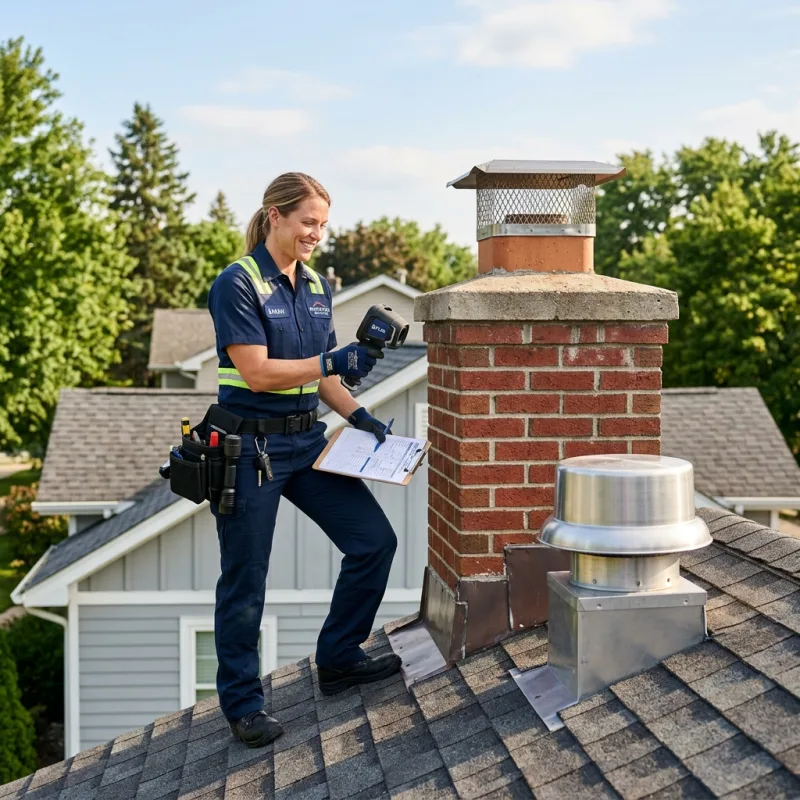
With birds the clock that matters is the mite clock, not the odour clock. Every day the mites push further out of the cavity and into the rooms people are living in, which turns a contained cavity treatment into a whole house one. Our crews hold same day inspection availability across Roxburgh Park and take emergency calls at any hour. Heat compresses the whole timeline, which is why dead animal smells get worse in summer.
A technician tracks the odour against when your heating or exhaust systems run, cameras the duct runs and the flue, checks the roof line and the solar cavity, and tells you exactly where the bird and the nest are. You get the position, the scope and the price before anything is opened.
If the smell turns out to be a rodent in the duct rather than a bird, or the bites are coming from something else entirely, we will tell you plainly. Selling you a mite treatment you do not need is not a business we are interested in running. If the noises beforehand sounded heavier than a bird, rat or possum: how to tell will point you in the right direction.
These are the calls that go to the front of the queue. If any of them describe your Roxburgh Park property, ring us rather than booking online.
We provide dead bird removal across Roxburgh Park and every surrounding suburb, with crews based locally so less of the day is spent driving to you.
Need immediate Dead Bird Removal? Our emergency team is available across all suburbs.
Call Emergency LineOur Roxburgh Park crew also covers the suburbs right next door, so dead bird removal in any of these is the same short drive.
Guides & Insights
Reading That Saves You A Callout
Practical explanations of what you are smelling, what it is likely to cost and what to do first in Roxburgh Park.
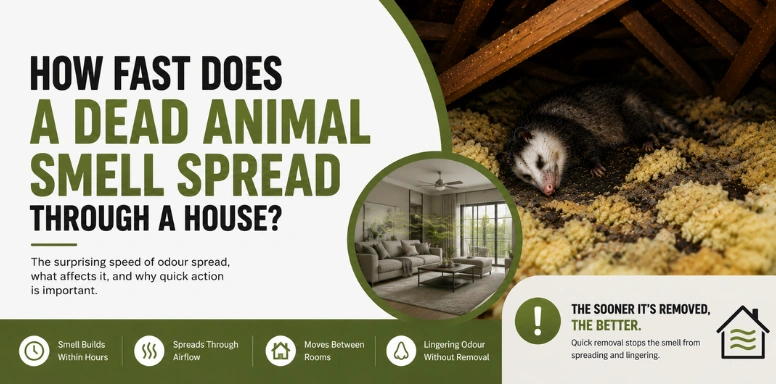
By day four it seems to be everywhere and people assume there must be more than one animal. Usually there is not. Here is how the odour actually moves.
Read the guide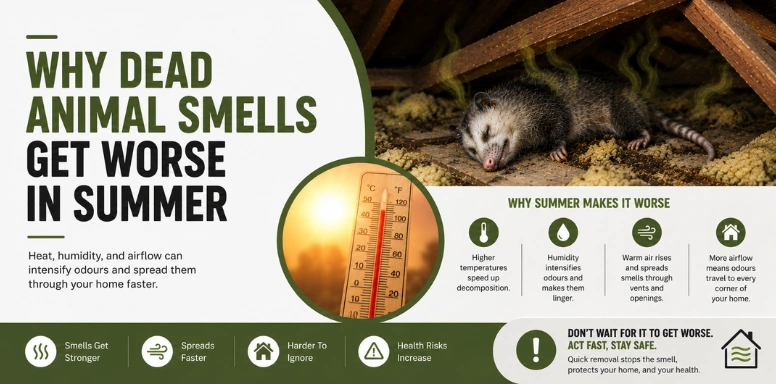
The same carcass behaves entirely differently in January than it does in July. Here is the chemistry behind it, and why summer shrinks your decision window to days.
Read the guide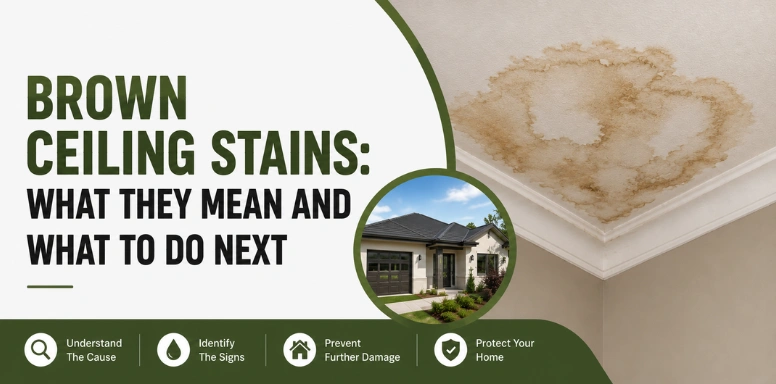
Most people assume a roof leak. If the mark keeps growing through a dry fortnight, it is not. Here is how to read a ceiling stain and what a proper repair involves.
Read the guideThe things Roxburgh Park customers ask us before they book a dead bird removal.
The Bird Is The Small Half Of This Problem.
Every day the mites push further out of the cavity and the nesting material keeps feeding the smell. One phone call gets a technician there with the camera gear to find it and the treatment to finish it properly.
6:00 AM - 11:30 PM, 7 Days a Week for Roxburgh Park, VIC 3064 and every surrounding suburb.